Best bricklaying and concrete masonry in Las Vegas, Nevada
Brick and stone restoration services
At Master Masonry Las Vegas NV, we take pride in being the leading masonry experts in the Las Vegas area. Our team of skilled professionals is dedicated to providing top-notch masonry services, from residential to commercial projects. With years of experience in the industry, we ensure craftsmanship that stands the test of time.
Masonry Services
Residential Masonry: Elevate the beauty and value of your home with our custom masonry design services. From stone veneer to brick walls, we create stunning features that enhance your living space.
Commercial Masonry: We offer reliable and durable masonry solutions for commercial properties, including office buildings, retail stores, and more. Our services ensure both aesthetic appeal and structural integrity.
Masonry Restoration: Preserve the historical significance of your property with our masonry restoration services. We specialize in restoring brickwork, stone masonry, and other traditional techniques.
Outdoor Living Spaces: Transform your outdoor area into a beautiful and functional space with our custom-designed outdoor kitchens, fire pits, and stone patios.
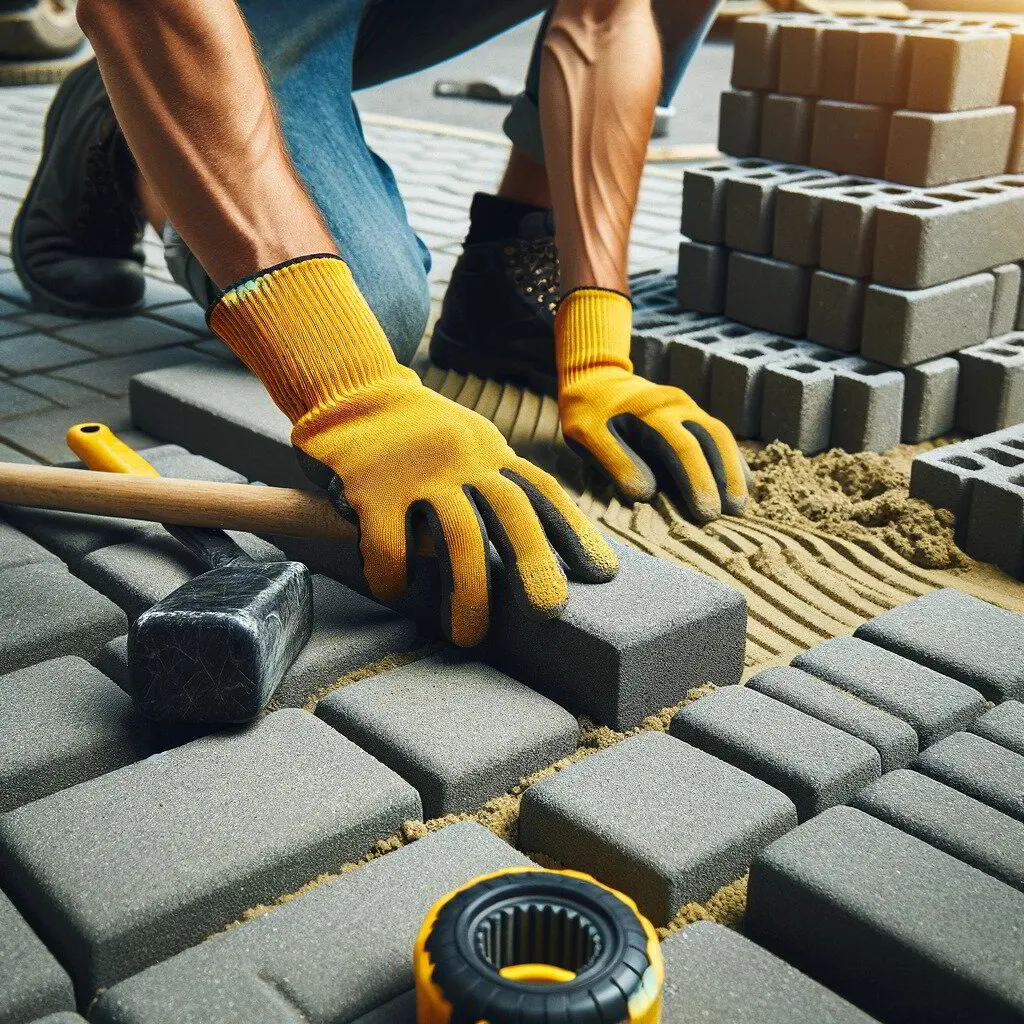
Hardscaping Services: Enhance your landscape with our hardscaping services, including paver installation, retaining walls, and walkways, adding both beauty and functionality to your outdoor space.
Why Choose Master Masonry Las Vegas NV?
Customer Satisfaction
Our commitment to customer satisfaction is unwavering. We work closely with our clients to understand their needs and exceed their expectations.
Expertise
Our team is composed of experienced masonry contractors who are skilled in a wide range of masonry techniques and materials.
Quality Materials
We use only the highest quality materials to ensure the durability and longevity of our masonry work.
Attention to Detail
We pay close attention to every detail, ensuring that our work meets the highest standards of craftsmanship.
Bricklaying, Wall Building, and Concrete Work Services
we specialize in providing top-tier masonry services, including expert bricklaying, wall building, and concrete work. Our skilled team is dedicated to delivering quality craftsmanship and durable solutions for both residential and commercial projects in the Las Vegas area.
Bricklaying Services
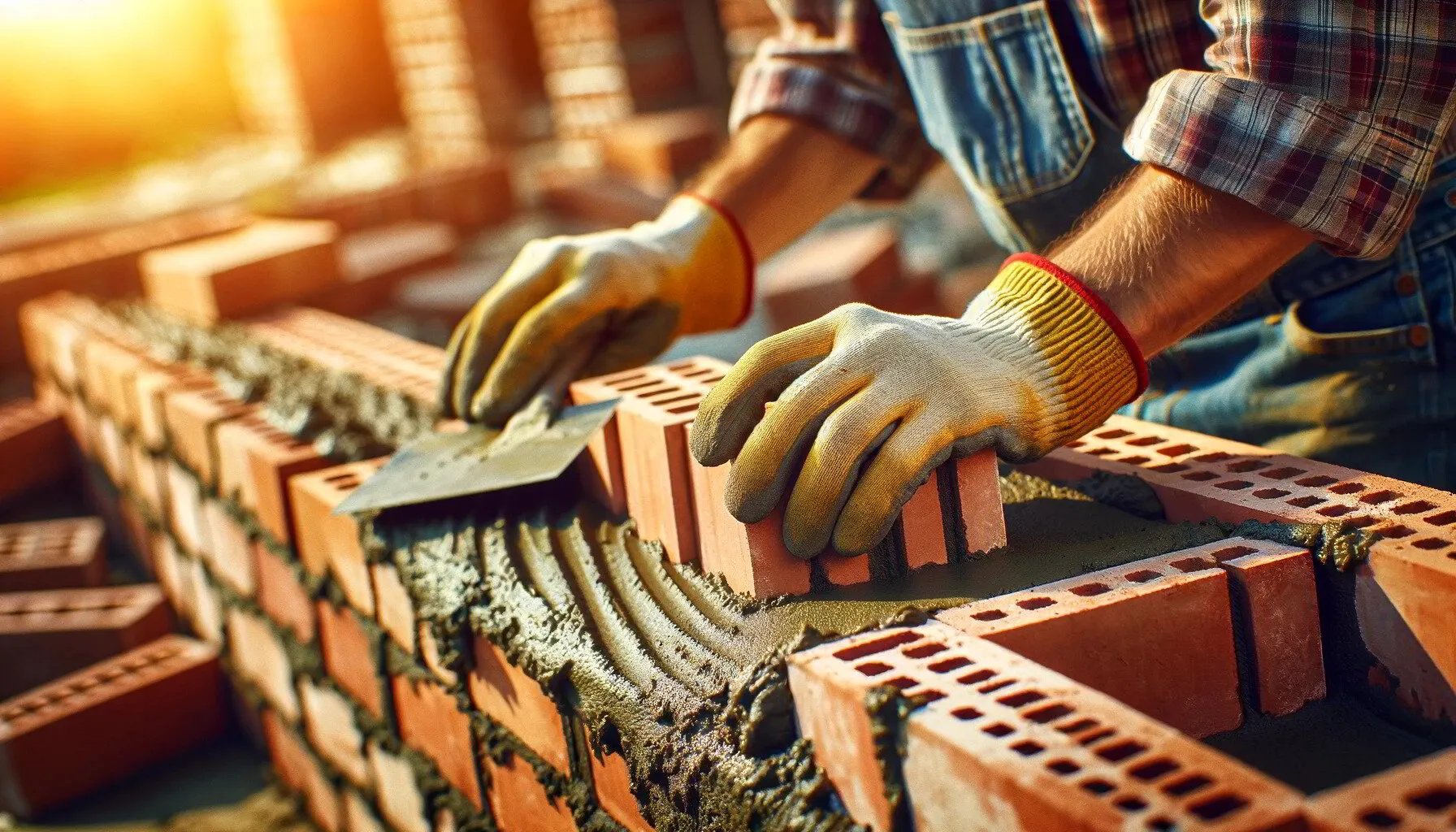
Our experienced bricklayers are adept at creating stunning brickwork that not only enhances the aesthetic appeal of your property but also provides long-lasting durability. Whether you're looking for a classic brick facade, a charming garden wall, or intricate brickwork for your fireplace, we have the skills and expertise to bring your vision to life.
Wall Building Services
Building strong, sturdy walls is a cornerstone of our masonry services.
We specialize in constructing various types of walls, including retaining walls, boundary walls, and decorative walls. Our team uses the highest quality materials and proven techniques to ensure that your walls are not only visually appealing but also structurally sound. Whether you need a retaining wall to prevent soil erosion or a decorative wall to enhance your landscape, we have the expertise to meet your needs.
Concrete Work Services
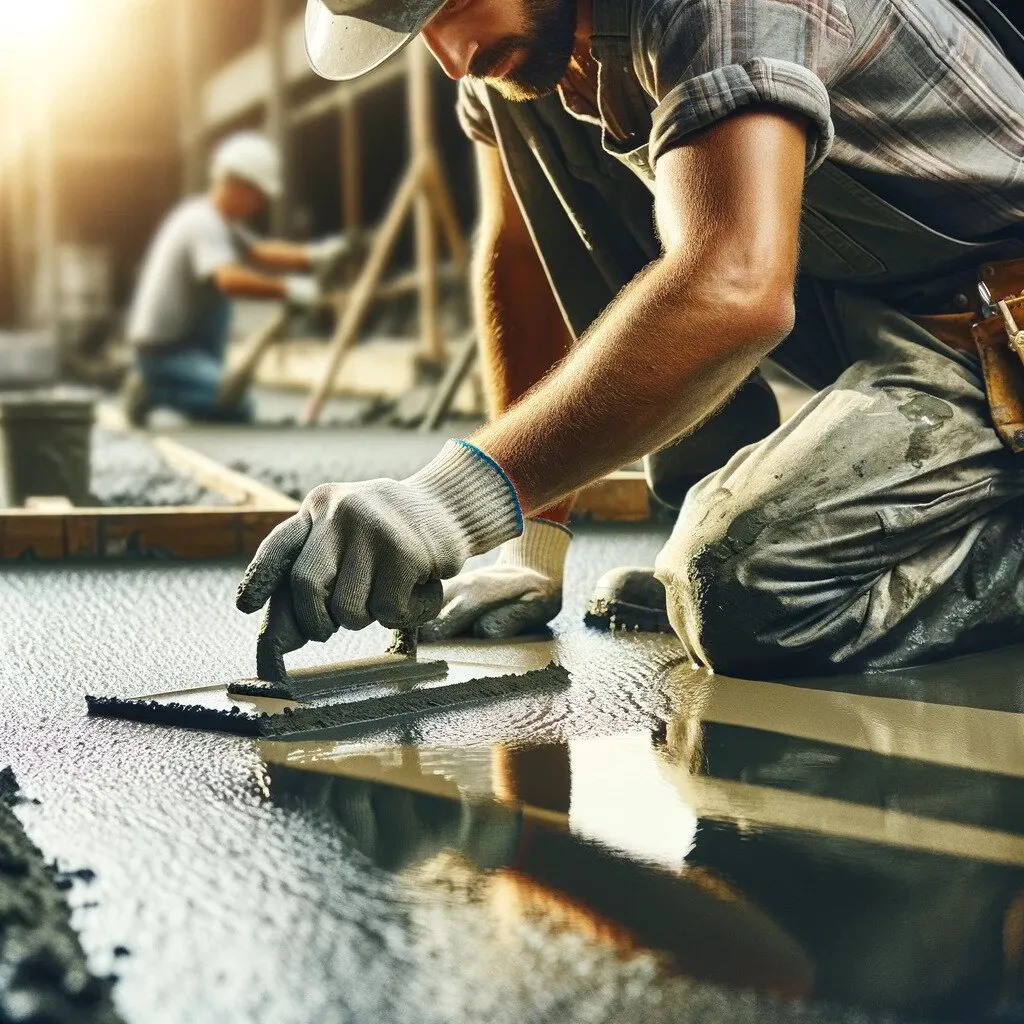
Concrete is a versatile and durable material that plays a vital role in many construction projects. At Master Masonry Las Vegas NV, we offer a wide range of concrete work services, from pouring concrete foundations to creating custom concrete features.
Our skilled professionals are equipped to handle all aspects of your concrete project, ensuring a smooth finish and lasting results. Whether you need a new driveway, a concrete patio, or any other concrete structure, we have the experience and knowledge to deliver high-quality workmanship.